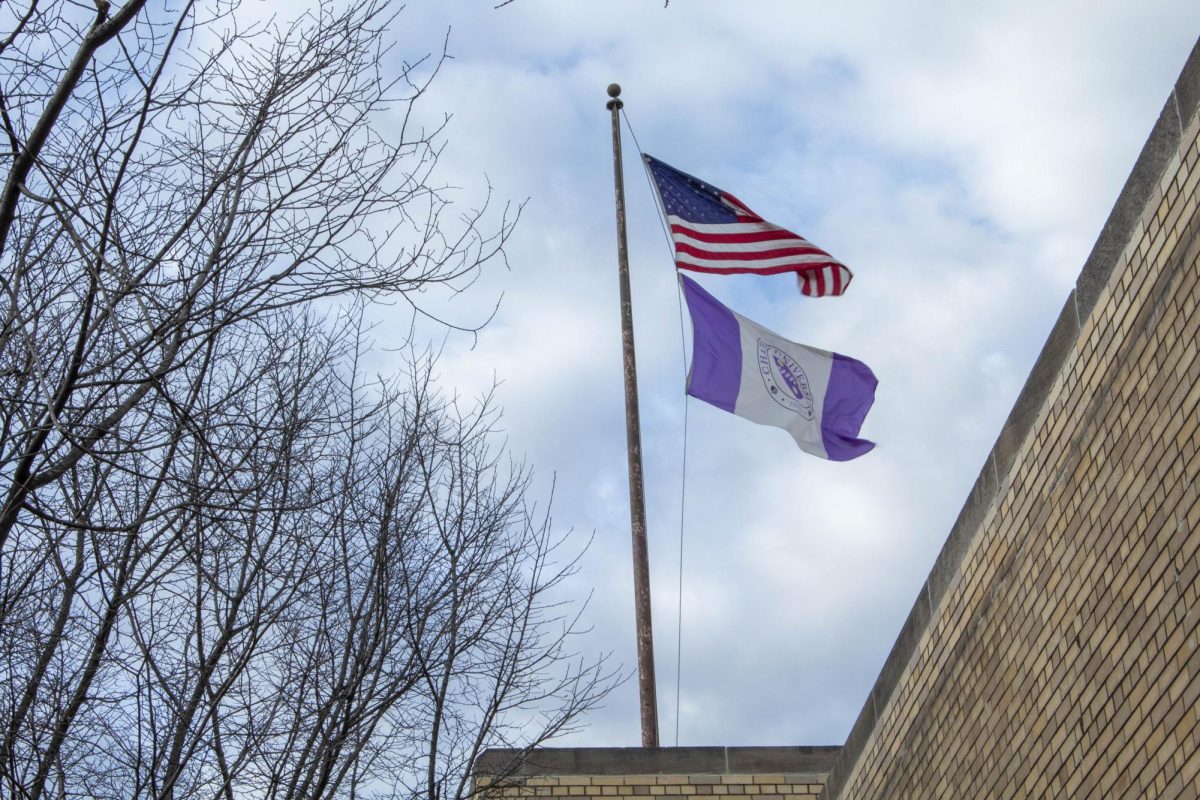
The United States government reopened this month after its longest shutdown in history, which spanned from Oct. 1 to Nov. 12 because U.S. Congress failed to pass a spending bill.
Although the shutdown is over, many people – including college students – continue to grapple with its lingering impacts.
During the shutdown, funds were not released for the Supplemental Nutrition Assistance Program, known as SNAP, which is a key resource for those struggling with food insecurity.
“In the list of your necessities, food is up there. People will still do the best they can to provide food for their families [during a government shutdown], but will they be facing shut-off notices for their electric bill? Will they get behind on their car payments? Student loan payments?” Professor of Political Science Jennie Sweet-Cushman said in an interview during the shutdown. “People are going to be using other types of resources that need to be allocated to their other expenses, and the economic consequences for families will be pretty severe.”
For Chatham University students, the institution has resources available for those navigating food insecurity such as the essential needs pantry, fresh market produce distributions and the student emergency fund. Chatham is also now providing Thanksgiving break boxes to students staying on campus over the break while Anderson Dining Hall is closed.
“I saw somewhere that for every meal one food bank provides, SNAP provides eight,” SweetCushman said. “Food banks are very poorly equipped to manage the need right now. So that’s going to be on citizens to take care of one another.”
Throughout the shutdown, federal employees have worked without pay or not at all. Therefore, federal websites and offices have been inactive, which has disadvantaged students.
Olivia Harris ‘27 has had issues getting letters of recommendation required for her graduate school applications from her past governmental internships at Sen. John Fetterman’s office and the International Trade Administration office in Pittsburgh.
“The deal with [recommendation] letters is to ask people far in advance to give them the time that they need, and now, these [government] offices are just coming back after the shutdown, and they’re going to experience a higher volume of work because [federal employees] have been out of office for so long,” Harris said in an interview after the shutdown. “I called [Sen. Fetterman’s office], and it went straight to voicemail. There wasn’t an option to leave a message as there had been in the past.”
Harris also said she encountered barriers in her classes when conducting research during the shutdown.
“I needed census data for a 100-level American history class, and the official U.S. census site was shut down. [The professor] had to send us to another thirdparty website.”
Although many students rely on the federal government for access to higher education with federal loans, pell grants and programs like federal work-study, funds for the fall semester have already been released to universities to distribute and should not be affected. However, the future of federal financial aid and assistance programs remains unknown as the Trump administration has changed college loan borrowing limits, cut programs like SNAP and laid off federal employees, leading to decreased operations since Trump took office in January of this year.
Since the spending bill that was passed only funds the government until Jan. 30, 2026, the potential for future government shutdowns still looms.
“There’s a safety net of being in college that families out in the real world don’t have, and so I think that’s an important thing to recognize is that we’re a little bit detached from that because one of the obligations of a college is to create a safety net for vulnerable students,” Sweet-Cushman said.